How we work

Our approach is defined by two principles: absolute commitment to our clients and uncompromising standards of craftsmanship. Every project follows a disciplined four-stage process: Discovery, Design, Development, and Delivery.

Discovery


We begin by understanding your brief, your space, and your ambitions. Whether responding to a fully developed concept or shaping an idea from its earliest stages, we listen carefully and define the creative and technical parameters of the commission.

Design and Craft discovery

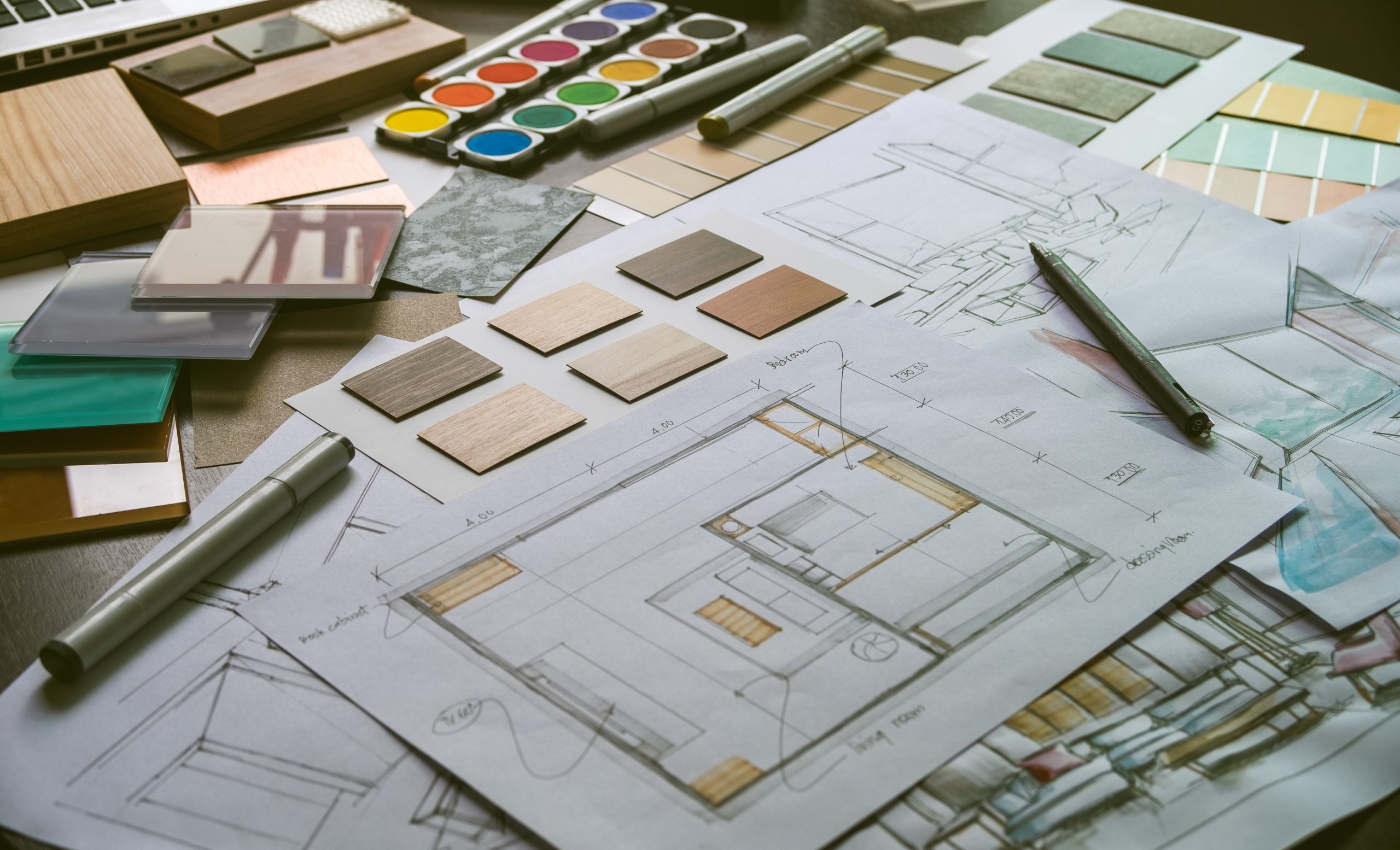
Design

We develop detailed design proposals, including material selection and finishes. Using photo-realistic 3D visualisation, we enable clients and collaborators to assess proportion, balance, and detail before production begins.
Craftsman at work in the workshop

Development


In our workshop, skilled artisans translate design into reality. Traditional techniques sit alongside advanced technology, ensuring precision, structural integrity, and the flawless execution of even the most complex designs.
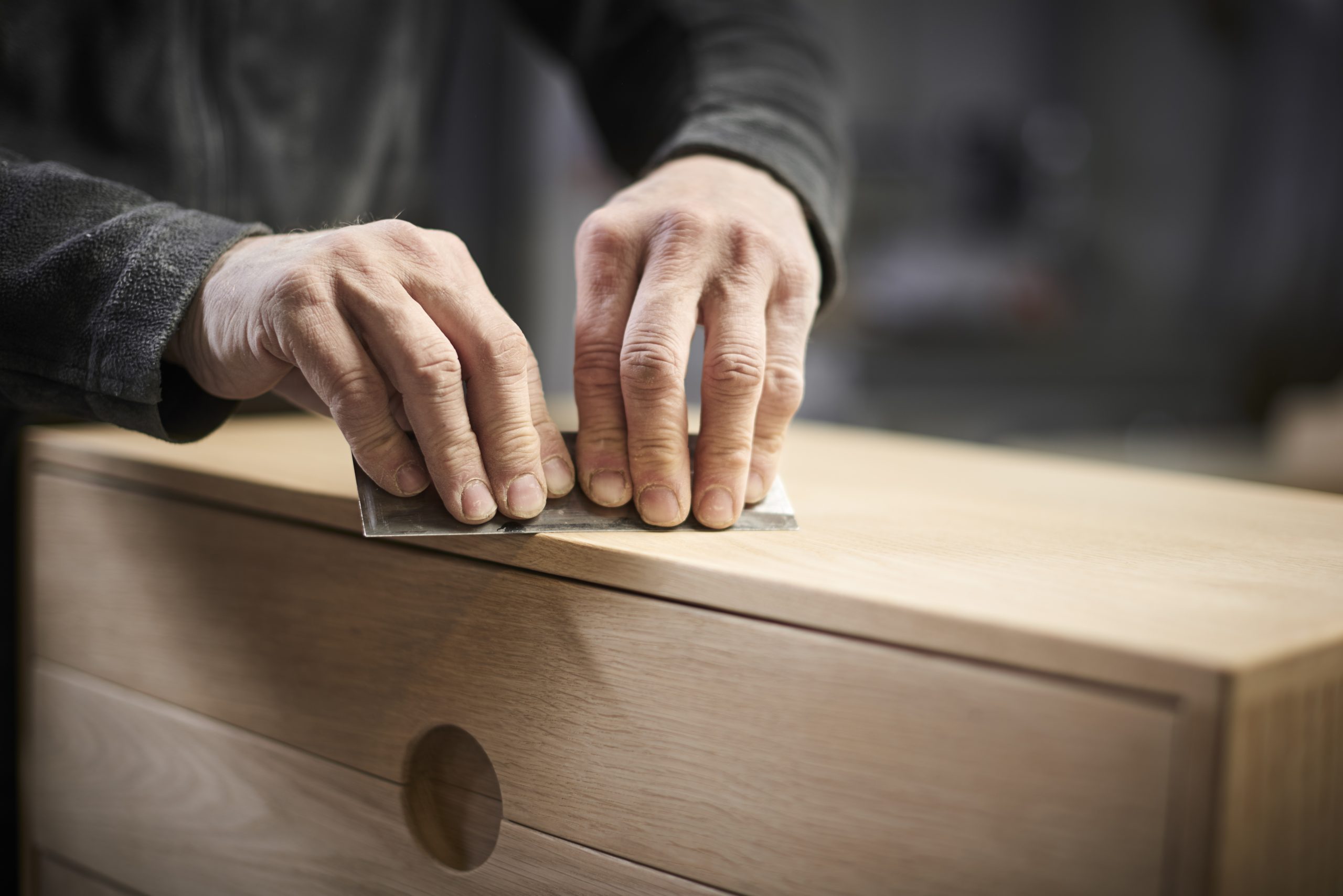
Scraping oak cabinet
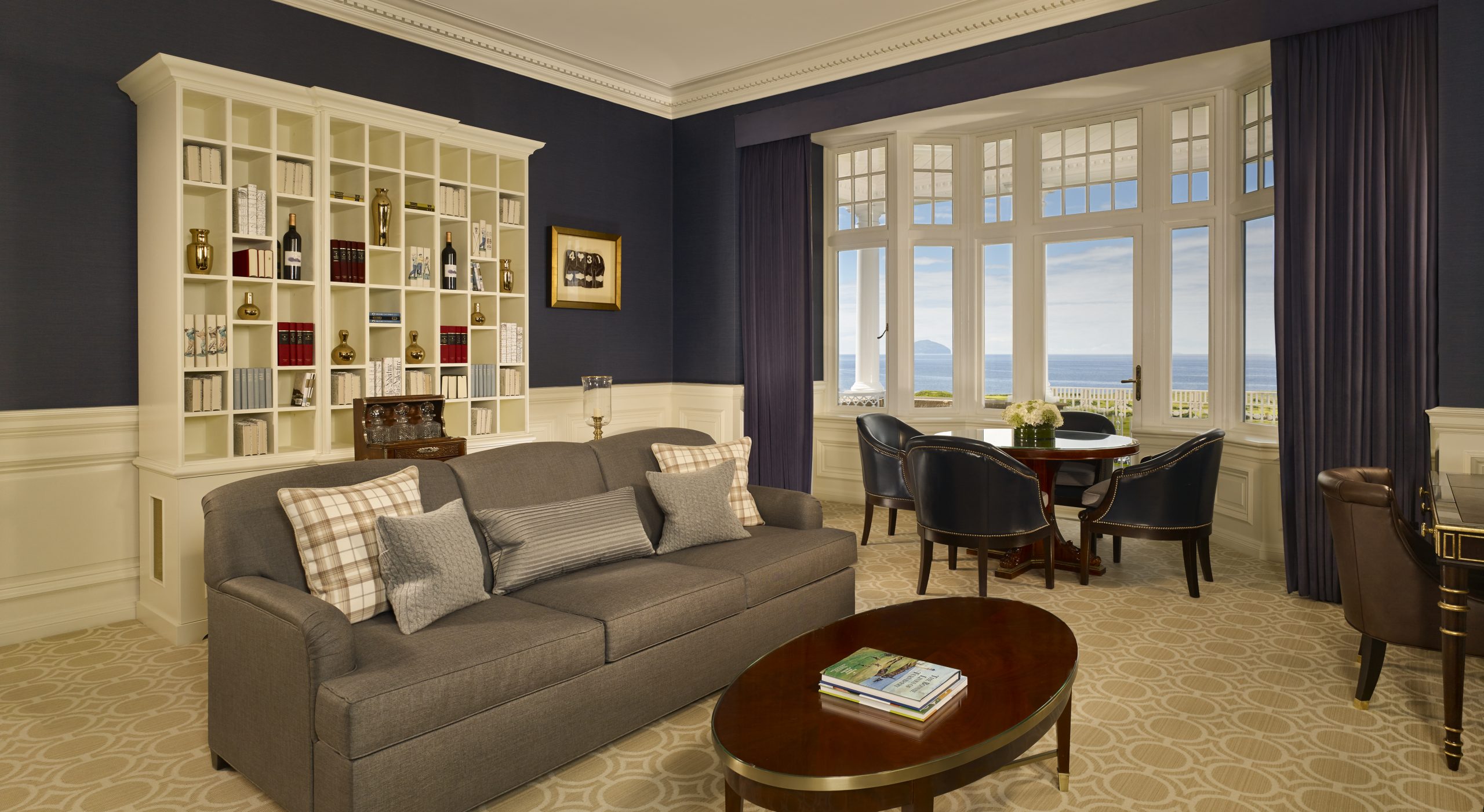
The Norman Suite at Trump Turnberry

Delivery

We manage installation with the same care applied to design and manufacture. Whether locally or internationally, each piece is delivered and fitted to exacting standards, ensuring that the final result reflects the full Studio 1718 experience.

The finest materials & finishes


We work with the world’s finest timbers, leathers, metals, and specialist finishes, selected for their beauty, integrity, and longevity. From marquetry and gilding to verre églomisé and contemporary materials, every surface is chosen to enhance both form and function.
Lacquer finish

Lacquer

Verre églomisé

Verre églomisé

Gilding

Gilding

Straw marquetry

Straw marquetry

Inlay and marquetry

Inlay and marquetry

Carbon fibre

Carbon fibre

Shagreen

Shagreen

Vellum

Vellum

Leather

Leather

Timber

Timber

Lacquer finish

Lacquer

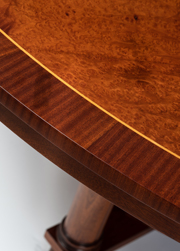
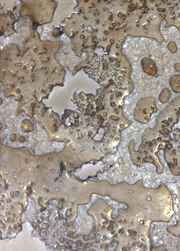
Lacquer is often applied to protect and provide greater durability to furniture that’s in day-to-day use, such as desks or dining tables. Mindful of environmental and health & safety standards, we use a range of acrylic lacquers that either simply protect the existing texture and appearance, or create subtle layers of colour and gloss.

Verre églomisé

Verre églomisé

Named after the French art dealer Jean-Baptiste Glomy, who revived the technique in the 18th century, verre églomisé is the application of design and gilding to glass, creating a mirrored finish. Artists such as Kandinsky and Klee used the technique to create glass paintings, and it can make a striking feature for bespoke furniture.

Gilding

Gilding

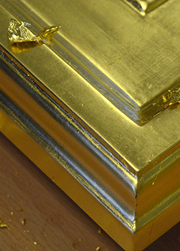
As the name suggests, gilding adds the golden touch to your bespoke furniture by applying gold flake or gold paint. It’s a pain-staking approach that has been practised by artisans for thousands of years, and helps to create stand-out furniture with echoes of Europe’s royal courts.

Straw marquetry

Straw marquetry

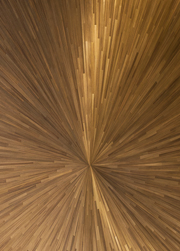
An eastern technique brought to Britain in the 17th century, straw marquetry provides a beautiful alternative to wood veneer. Wheat or oat straw is soaked in water, then ironed, and finished in a range of shades from pale gold to dark brown.

Inlay and marquetry

Inlay and marquetry

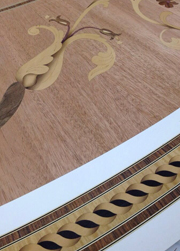
Marquetry is the art of inlaying wood with a pattern or picture — usually made from wood, but it could be another material such as mother of pearl, metals or gems. While time-consuming and requiring the utmost skill, it provides the finished furniture with a beautiful and unique stamp of quality.

Carbon fibre

Carbon fibre

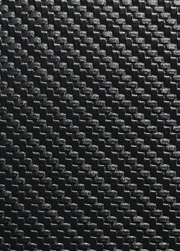
This is a semi-natural product made by subjecting organic raw materials to high temperatures, turning them to almost 100% carbon. Carbon fibre is both strong and lightweight, but can also make for a striking feature in contemporary furniture design.

Shagreen

Shagreen

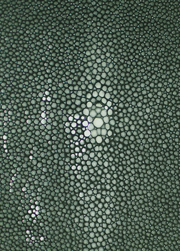
With similarities to leather and vellum, shagreen was traditionally made from shark or horse skin, but now mostly comes from farmed stingrays. With its tougher, granular surface and water-resistant properties, it’s long-been popular for luggage and stationery, and a renewed interest in Art Deco in the 1970s saw it used more often by furniture makers.

Vellum

Vellum

An alternative to leather, vellum is crafted from calf or goatskin to create a finer texture, which is traditionally used for parchments as well as bespoke furniture. In its natural form, every piece of vellum is uniquely marked, providing particular individuality to the finished item, although it can also be dyed.

Leather

Leather

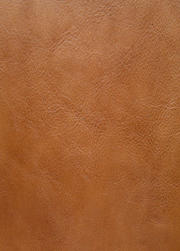
As with furniture, the craft of creating luxury leather is something that has gently evolved over the centuries, and we source leather of the highest quality and provenance to provide the perfect finish. We understand the range of textures and dyes that work with different furniture styles.

Timber

Timber

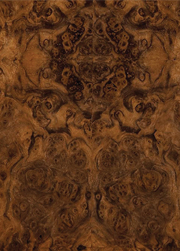
We work with a wide range of fine woods including oak, walnut, beech, sycamore, pine, elm, sapele and zebrano. As well as a deep understanding of the varying characteristics of each wood, we know how to manage the often complex challenges of the grain.